

Safe hazardous material storage for industry, the chemical sector and the pharmaceutical industry
Compliant solutions for demanding businesses. From bunds to Type 90 fire protection containers.
In the pharmaceutical and process industries, the safe handling of hazardous substances is part of day-to-day work. Flammable liquids, acids, lyes, solvents and water-polluting substances must be safely accessible at all times – whilst also complying with legal requirements. This is not just a matter of complying with regulations, but above all of protecting staff, plant and production processes, as well as the environment and water bodies.
The specifically designed storage solution for the hazardous substance in question depends on its properties. Key factors include the water hazard class (WGK), flammability and the requirements set out in the WHG, AwSV, GefStoffV, BetrSichV and TRGS 510. Depending on the application, bunds, hazardous material depots, safety cabinets or fire prevention cabinets are used. Key considerations include sufficient containment capacity, chemically resistant materials, specifically designed ventilation and – depending on the substance – reliable fire prevention.
If flammable liquids are stored or hazardous substances are present in potentially explosive atmospheres, additional measures are required. These include, amongst other things, explosion protection in accordance with ATEX, mechanical ventilation and specifically designed fire safety concepts. This enables risks to people, production facilities and the environment to be effectively minimised.
The safe storage and charging of lithium-ion batteries are also becoming increasingly important. Whether for battery-powered machines (power tools), mobile measuring and testing equipment or cleaning appliances – lithium batteries have become an indispensable part of modern production and logistics processes. At the same time, they pose specific risks: mechanical damage, overheating, charging errors or ageing processes can lead to what is known as thermal runaway, which can be associated with the generation of intense heat, smoke and explosive fires. Most documented incidents occur during the charging process.
Although there are as yet no specific statutory regulations governing the storage of lithium-ion batteries, regulations and guidelines such as TRGS 510, VDMA Standard Sheet 24994, DGUV Information 205-041 and VdS 3103 define the current state of the art. The focus is on separate storage, the avoidance of ignition sources, protection against mechanical damage, and specifically designed fire safety measures through specially tested battery storage and charging systems.
Storing substances hazardous to water in accordance with the law
Whether cleaning agents, acids, lyes or cooling lubricants — many substances used in production are classified as water-polluting and are therefore subject to the AwSV. Even minor leaks can cause long-term damage to soil and groundwater. Approved bunds safely contain any leaking liquids in the event of a leak, in accordance with the law, thereby protecting the environment and water bodies.
Storing flammable liquids near production areas
Solvents such as acetone or ethanol are indispensable in many manufacturing processes — but storing them near production areas requires a level of fire prevention that standard cupboards cannot provide. A Type 90 safety cabinet can withstand fire for 90 minutes and protects both the stored substances and the escape routes in the event of a fire.
Charging and storing lithium-ion batteries safely
Lithium-ion batteries are used on a daily basis in machines|devices and numerous mobile applications within industrial processes. Due to the potential fire risk resulting from technical faults or mechanical damage, which can lead to thermal runaway, specifically designed protective measures are required. Specialised battery storage and charging cabinets have become the industry standard for the storage and charging of lithium-ion batteries.
CEMO solutions for industry, the chemical sector and the pharmaceutical sector
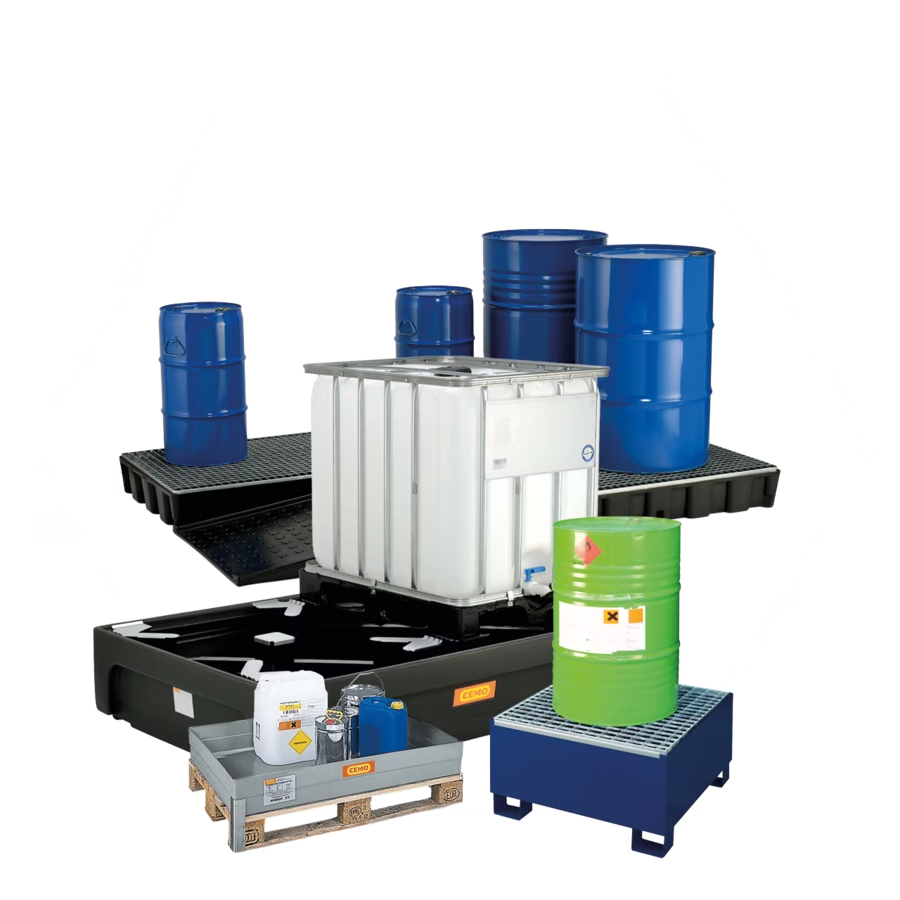
Bunds│Surface protection elements
CEMO’s approved bunds and surface protection elements for small containers, drums and IBCs ensure that substances of all water hazard classes are stored and handled in accordance with the Water Resources Act (WHG) and the Water Protection Ordinance (AwSV). Depending on the area of application and the substances to be stored, models made of steel, GRP or PE are available. In the event of a leak, they safely contain any escaping liquids, thereby protecting the environment, water bodies and operational areas.
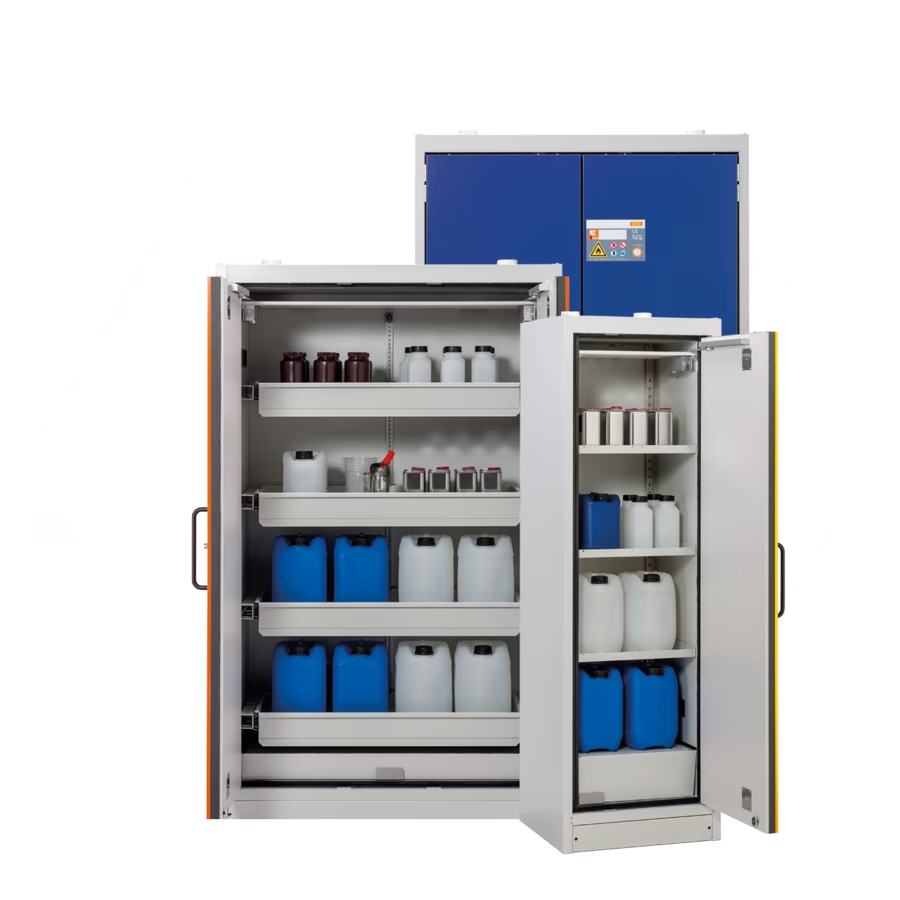
Fire safety cabinets
PROline safety cabinets with a 90-minute fire rating enable the safe and legally compliant storage of flammable substances, minimise fire risks and protect staff, buildings and infrastructure. Ideal for storing paints, varnishes, cleaning agents and solvents, as well as other hazardous substances.
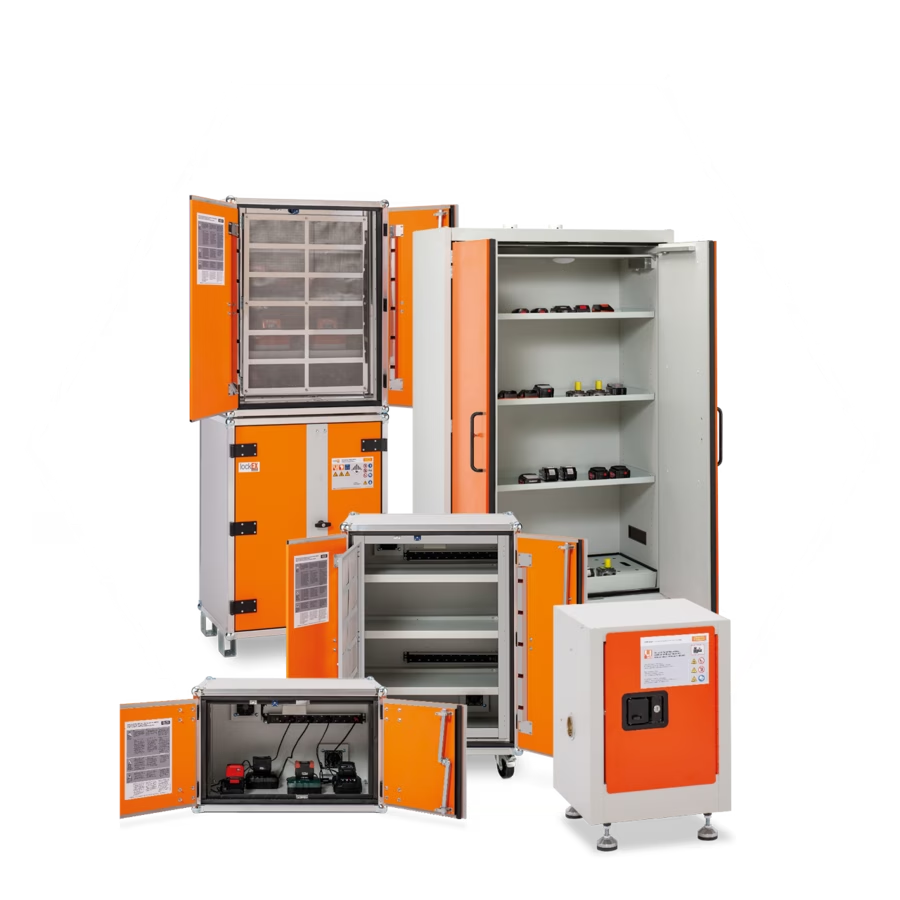
Battery storage and charging cabinets
CEMO’s battery storage and charging cabinets are essential for the safe, fire-compliant storage and controlled charging of lithium-ion batteries. They protect staff, buildings and infrastructure from the risks of fire and explosion – as most fire incidents involving lithium batteries occur during the charging phase – and thus contribute to safe operations.
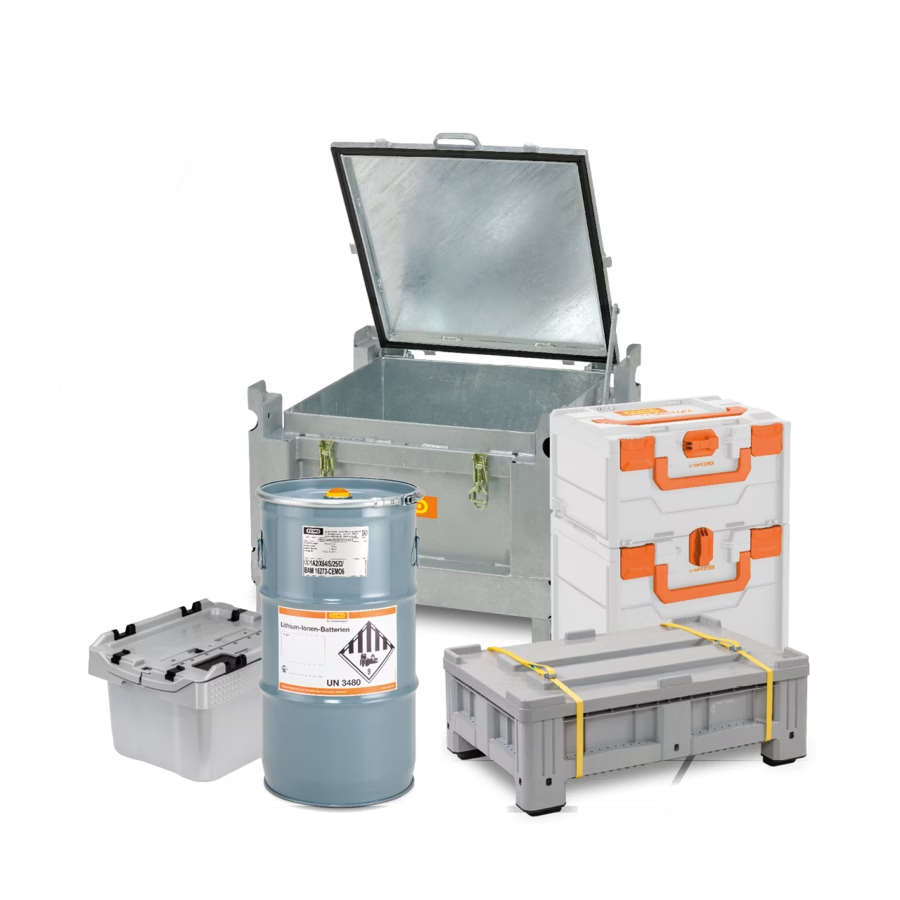
Battery transport and collection containers
For the legally compliant transport, safe collection and separate storage of lithium-ion batteries in day-to-day operations. Ideal for businesses where batteries from machines (power tools) and devices are regularly transported, stored or collected for disposal. Robust containers minimise the risks of damage and fire incidents that could lead to thermal runaway, thereby protecting staff, buildings and infrastructure.
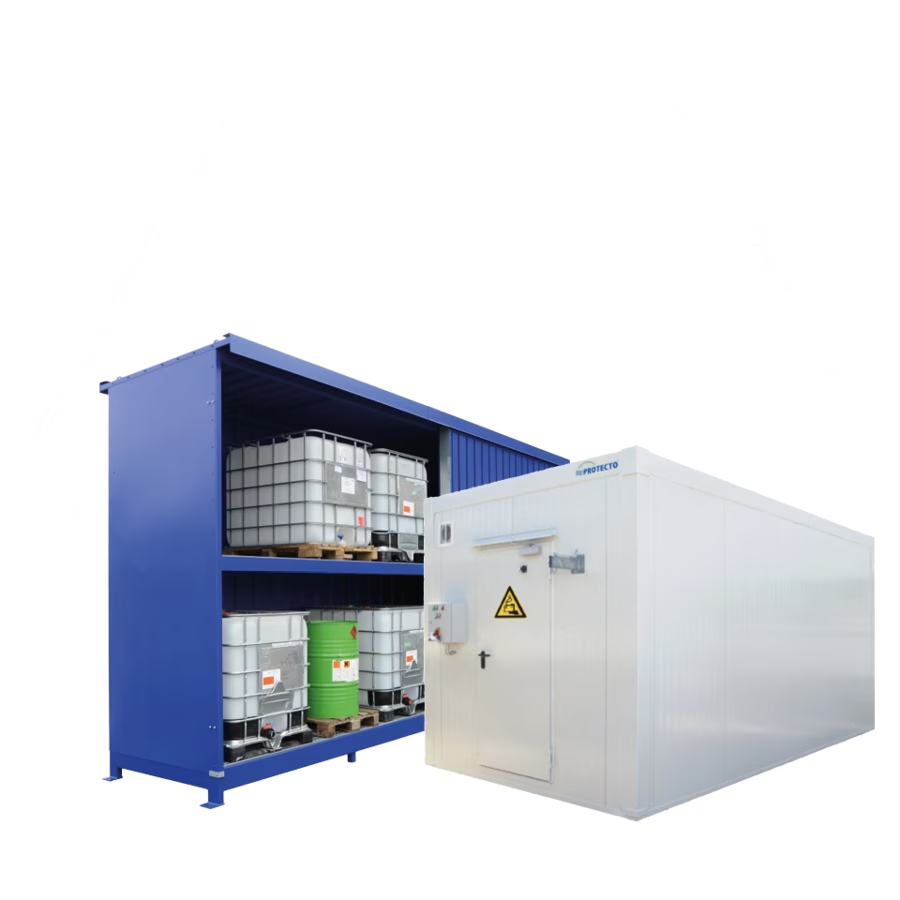
Hazardous materials container
Hazardous materials containers enable the safe and legally compliant storage of large quantities of hazardous substances and hazardous materials outdoors, whilst protecting staff, the environment and plant facilities from potential risks posed by water-polluting or flammable liquids.
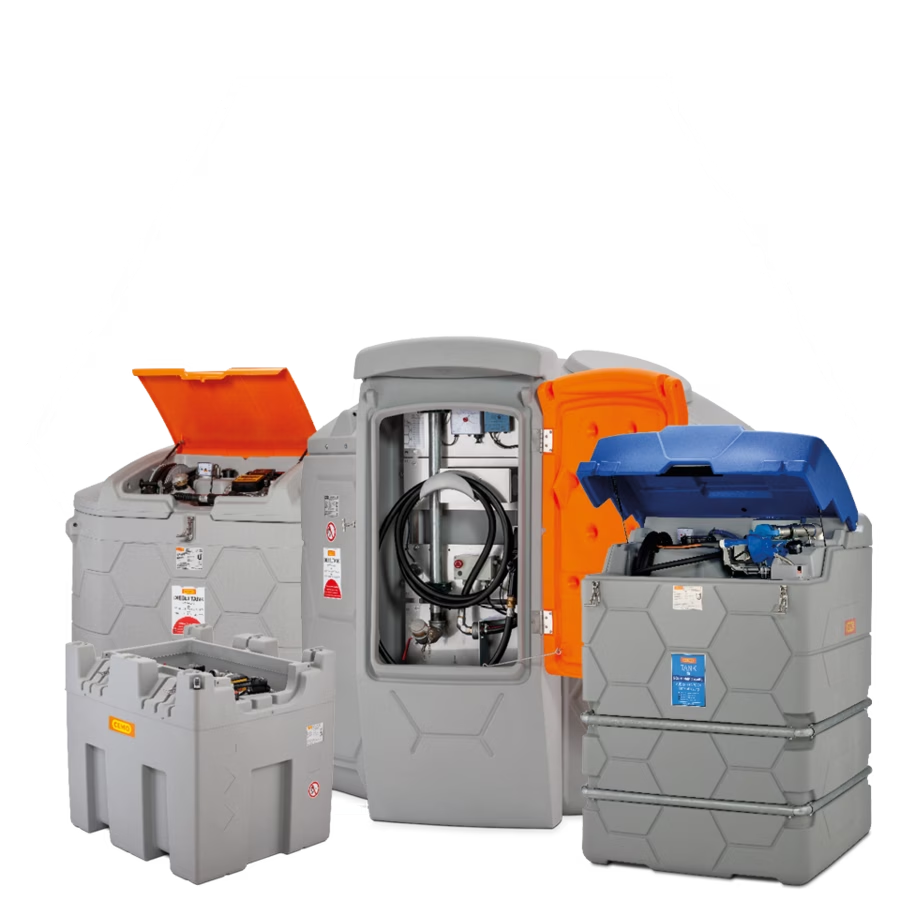
Stationary refuelling systems for diesel, AdBlue®, fresh oil and waste oil
Stationary refuelling systems enable the safe, compliant and cost-effective storage and supply of fuel and operating materials. Even large quantities can be stored efficiently and made available as and when required.

Not sure which solution is right for your application?
Please get in touch; we’d be happy to advise you.